Automation
The Future of Automation: How Robots Are Transforming Industries and Daily Life
Discover how automation and robotics are enhancing efficiency, safety, and innovation across industries and everyday life.
By Robotbids · · 5 min read

The Future of Automation: How Robots Are Transforming Industries and Daily Life
Automation, powered by advanced robotics, is revolutionizing the way we live and work. From manufacturing floors to healthcare corridors, autonomous machines are driving unprecedented levels of efficiency, safety, and innovation. As industry leaders and technology enthusiasts explore robotic solutions, understanding the comprehensive impact of automation becomes essential for embracing the next technology wave.
Introduction: The Rise of Robotics in Automation
Over the past decade, robotics has evolved from simple mechanical devices to sophisticated, AI-driven systems integrated into various sectors. Today's robots are not just programmable tools; they are active collaborators that augment human capabilities, streamline processes, and tackle challenges previously deemed insurmountable. This paradigm shift underscores the importance of the automation sector in shaping future economies and societies.
Robotics in Daily Life: Enhancing Personal and Commercial Experiences
Domestic Automation and Personal Assistance
Robots play a vital role in simplifying everyday chores. Robotic vacuum cleaners like Roomba have become household staples, autonomously maintaining clean floors by navigating around furniture and pet hair. Robotic lawnmowers, such as Husqvarna Automower, autonomously trim grass, freeing homeowners from manual labor and ensuring perfectly manicured lawns.
Beyond cleaning, robots like ElliQ serve as social companions for seniors, providing medication reminders, facilitating communication with loved ones, and reducing feelings of loneliness. Entertainment-focused robots such as Sony Aibo and interactive toys like Cozmo promote mental stimulation and emotional engagement, especially among children and vulnerable adults.
Robotics in Personal Healthcare
Medical robotics have advanced to offer minimally invasive surgical procedures with unmatched precision. The Da Vinci Surgical System exemplifies robotic-assisted surgery, enabling surgeons to operate with enhanced dexterity, reducing patient recovery times and surgical risks. Additionally, prosthetic advancements driven by robotics—such as bionic limbs from Össur—are restoring mobility for individuals with disabilities.
Robots also support hospitals' logistical needs, transporting supplies and medications with autonomous robots like Moxi. Telepresence robots such as Beam allow physicians to remotely consult and diagnose patients, expanding healthcare access into remote or underserved areas.
Industrial and Commercial Applications of Robotics
Manufacturing and Automation
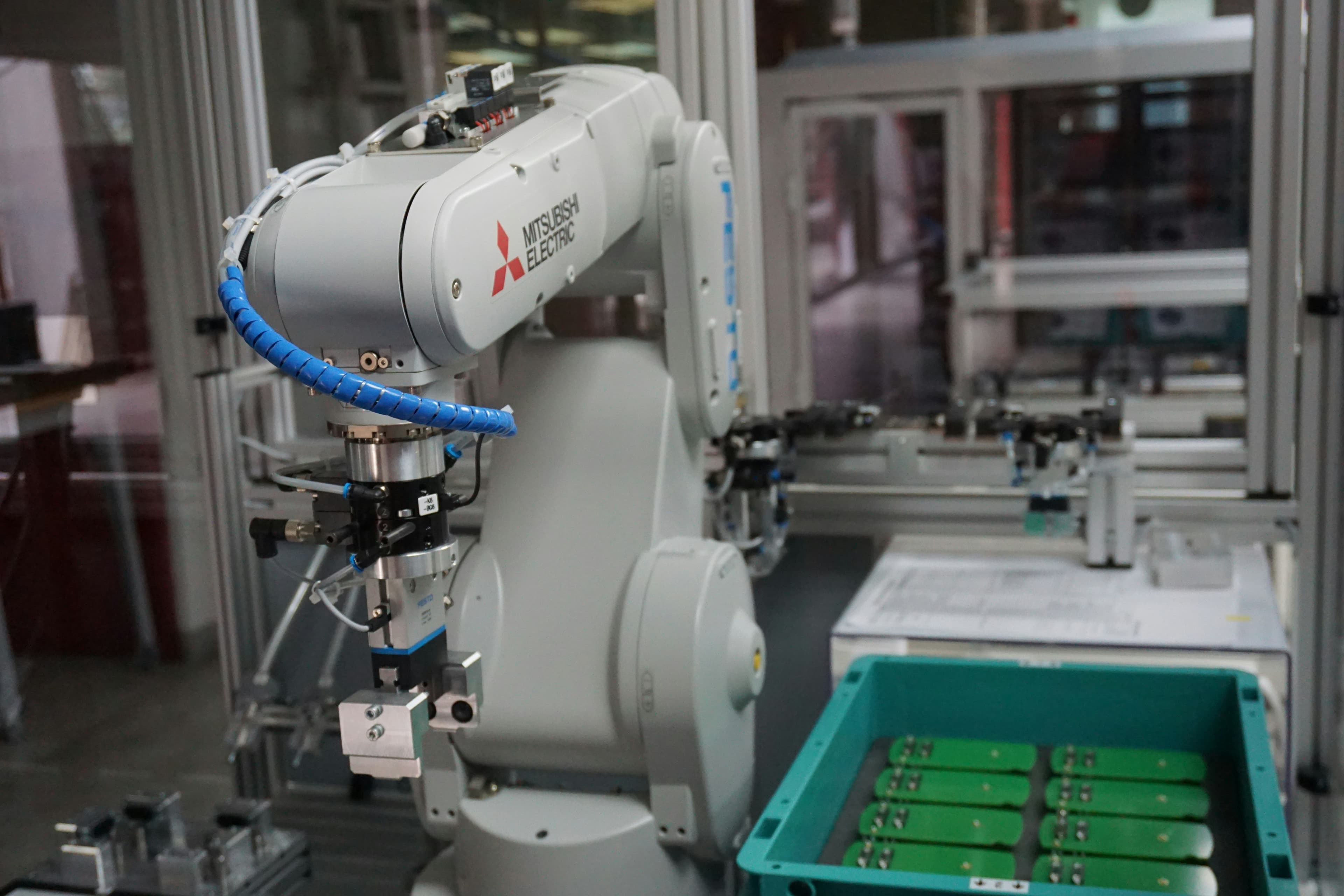
Modern manufacturing increasingly relies on robotic arms from companies like FANUC and KUKA. These robots perform tasks such as assembling vehicles, welding, and packaging with extraordinary speed and precision. Their continuous operation minimizes errors, enhances product quality, and reduces workplace injuries — making factories safer and more productive.
Warehousing, Logistics, and Supply Chain
Automation in logistics has accelerated e-commerce delivery times. Autonomous robots from Locus and Zebra navigate warehouse aisles, retrieving items and loading shipments efficiently. These systems have reduced labor costs and errors, enabling faster response times and increased customer satisfaction.
Service Industry Robots
Customer-facing sectors also benefit from automation. Robots like BellaBot and Connie provide food delivery in restaurants and front-desk assistance in hotels, respectively. These robots handle routine interactions, allowing human staff to focus on personalized, high-value tasks.
Agricultural Robotics for Precision Farming
Robotics is transforming agriculture through precise operations. Companies like Ecorobotix and Agrobot deploy autonomous equipment for weeding, planting, and harvesting. These robots reduce chemical use, optimize resource consumption, and significantly increase crop yields, supporting sustainable farming practices.
Inspection, Maintenance, and Hazardous Environment Robotics
Inspection robots like Boston Dynamics Spot traverse hazardous or inaccessible areas, performing structural inspections in construction sites and industrial plants. This minimizes human exposure to risk and allows for early detection of problems, preventing costly failures or accidents.
Robotics in Extreme Environments: Safety and Exploration
Disaster Response and Hazardous Operations
Robots like PackBot and Snakebot are deployed in disaster zones, searching for survivors amidst rubble, assessing structural stability, and diffusing bombs. These systems operate tirelessly, often in environments too dangerous for humans.
Deep-Sea and Space Exploration
On Earth and beyond, exploration robots expand our understanding of the universe. ROVs such as SuBastian explore the ocean’s abyssal depths, while space robots like Perseverance and VIPER investigate Mars and the Moon, analyzing terrain, searching for resources, and establishing base infrastructure for future human missions. These robots undertake missions far too perilous or impossible for humans.
Educational and Social Robotics: Shaping the Future Workforce
STEM Education and Hands-On Learning
Robotics tools such as LEGO Mindstorms and Nao enable students to learn programming and engineering through interactive and tactile experiences. This cutting-edge educational approach fosters critical skills needed in a highly automated future.
Social and Therapeutic Robots
Robots like Pepper and Paro facilitate social interaction for individuals with autism, dementia, or social anxiety. Pepper’s ability to recognize emotions and respond accordingly helps bridge communication gaps, while Paro provides comfort and reduces agitation, demonstrating robots' capacity for emotional support.
The Societal Impact and Future Outlook of Robotics
Robots and automation are driving profound shifts across industries and society. They make processes more efficient, improve safety standards, and foster innovation at a rapid pace. However, they also raise important questions about employment, ethics, and human-robot collaboration.
The integration of robotics into everyday life underscores the need for a balanced approach—one that leverages automation to augment human work rather than replace it entirely. As technology evolves, new roles will emerge in robotics maintenance, AI ethics, systems design, and beyond, ensuring that human ingenuity remains a vital component of the automation revolution.
Conclusion: Embracing the Automation Revolution
The ongoing development of robotics and automation is reshaping our world, pushing the boundaries of what is possible. From factories to space, and from homes to dangerous environments, robots are becoming indispensable partners, enhancing safety, efficiency, and quality of life.
In this rapidly advancing landscape, how will your industry or organization adapt to incorporate automation technologies? The future belongs to those who embrace these transformative tools—and it starts with exploring the right robotic solutions today.
Looking to find the best robotics equipment to fuel your automation projects? Visit Robotbids, the premier marketplace to connect with top robotics suppliers and solutions.